Regions
The Mountains


Sentinels of the White Continent
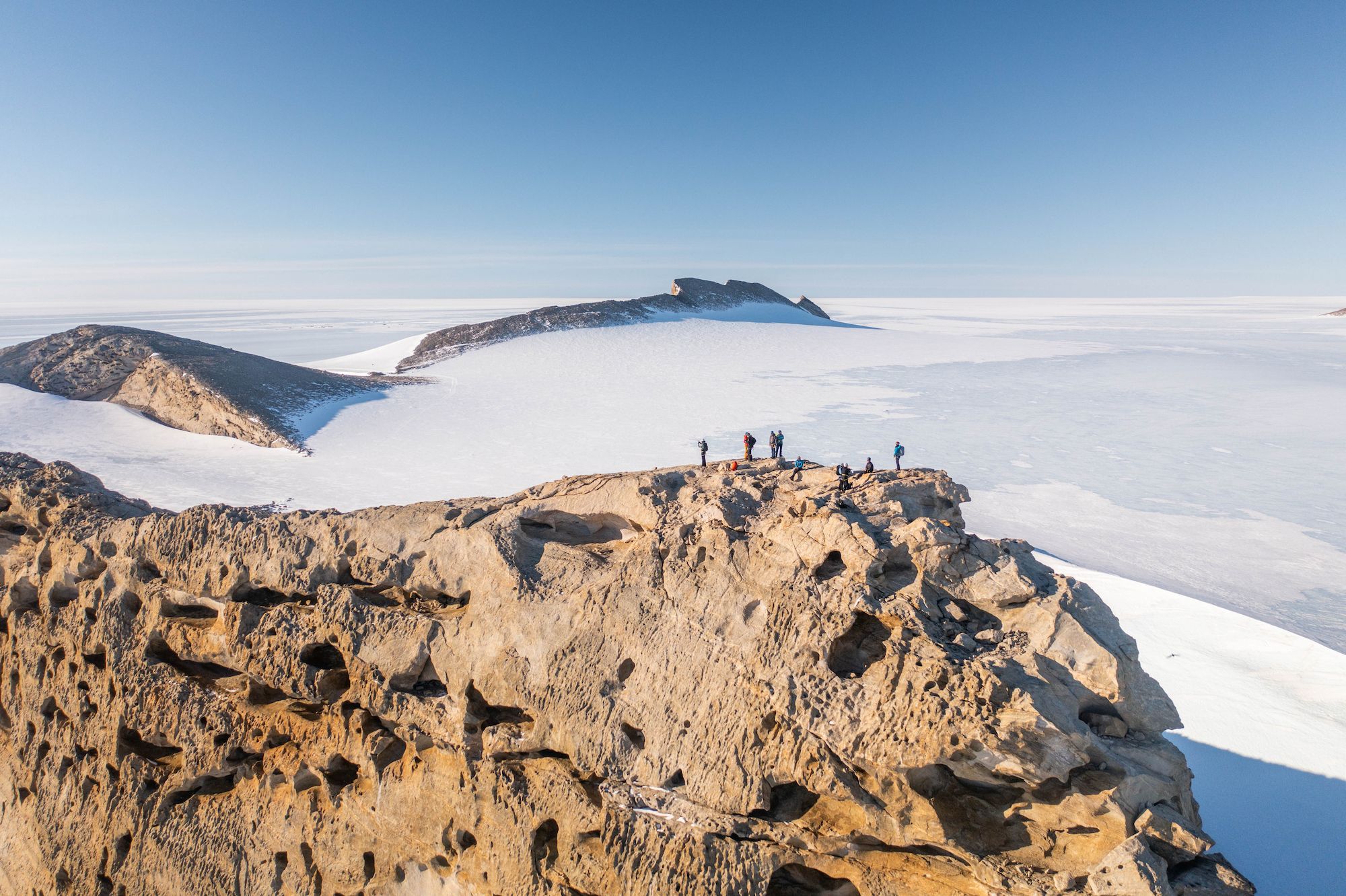
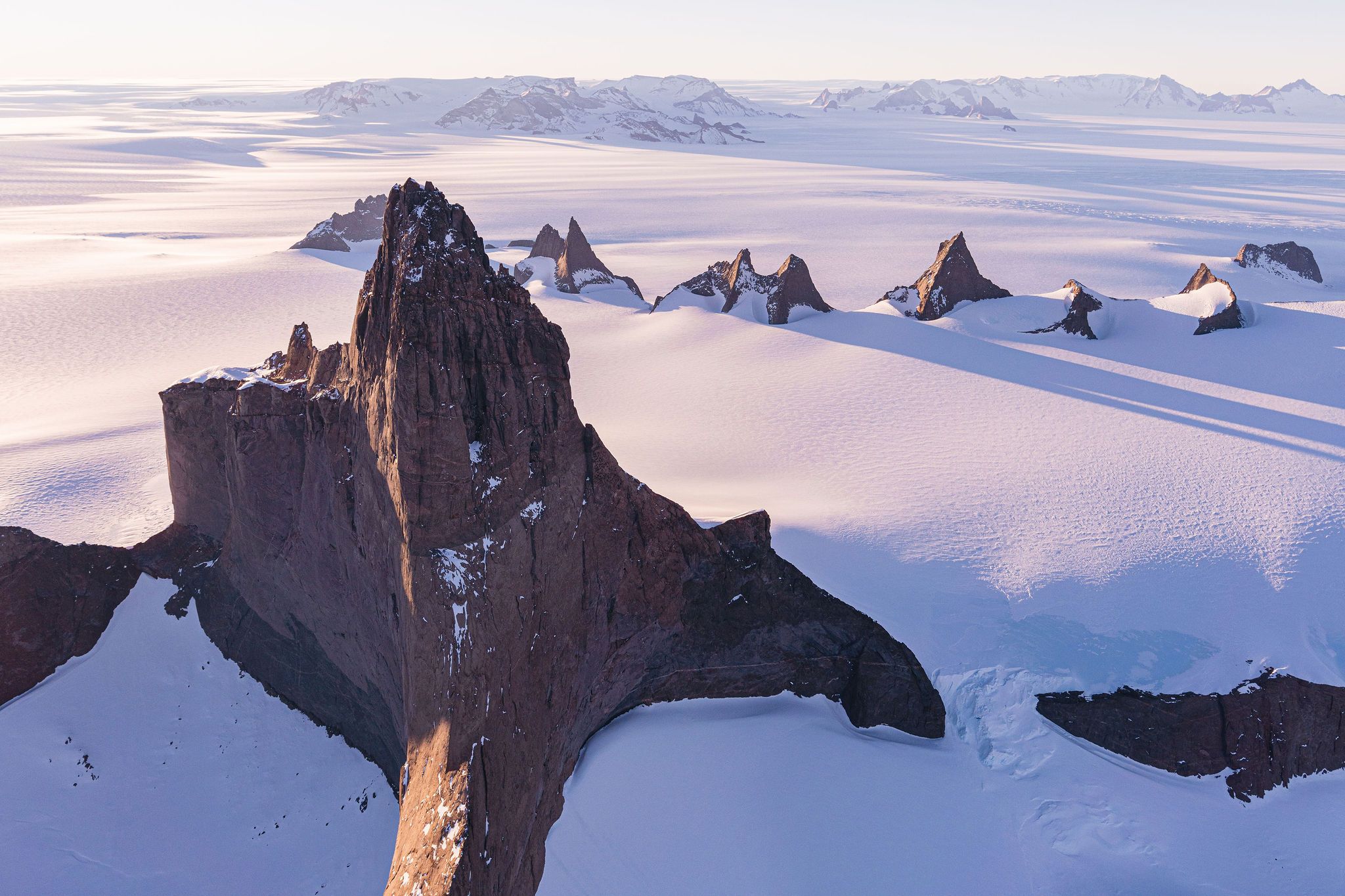
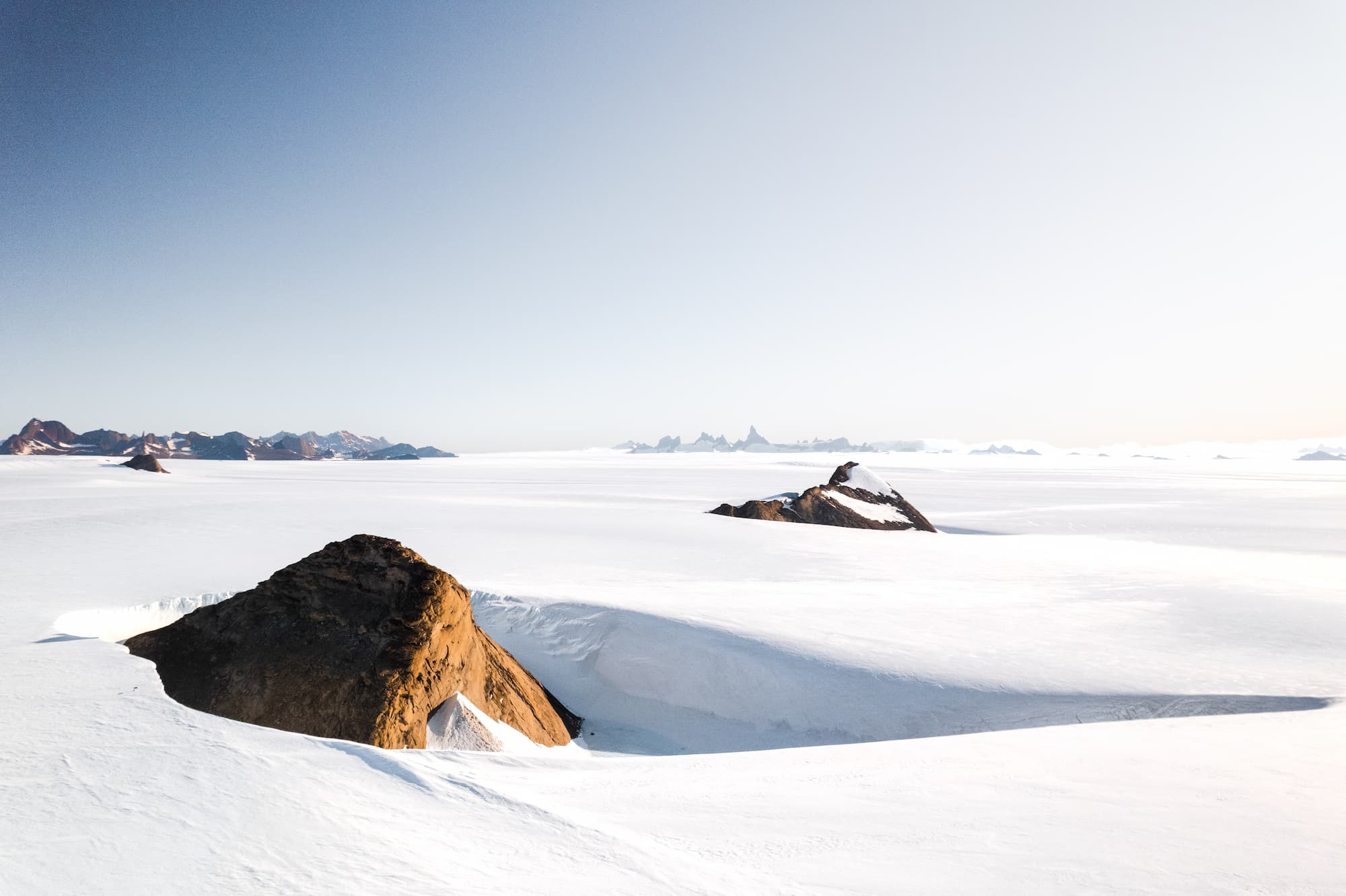
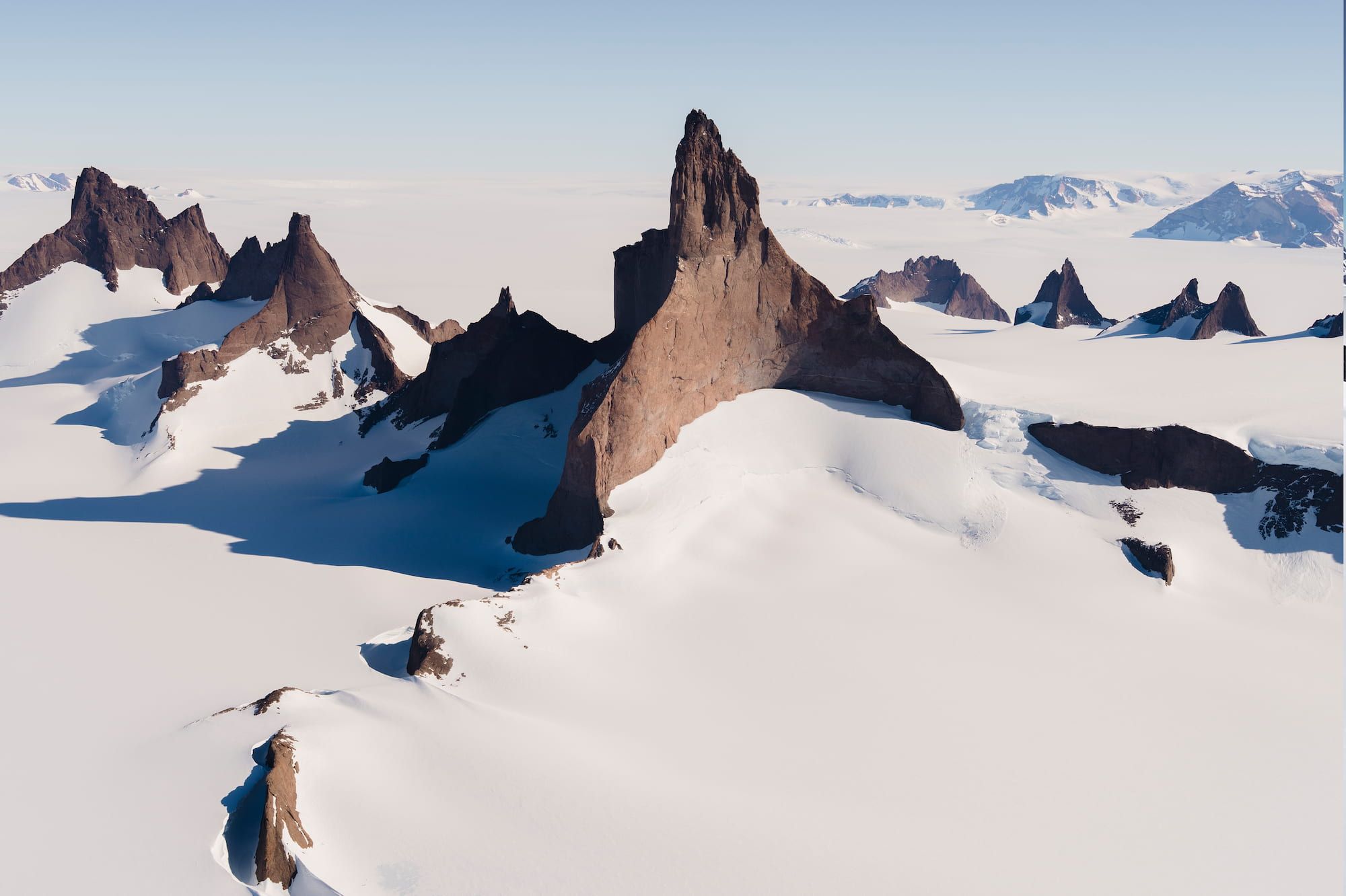
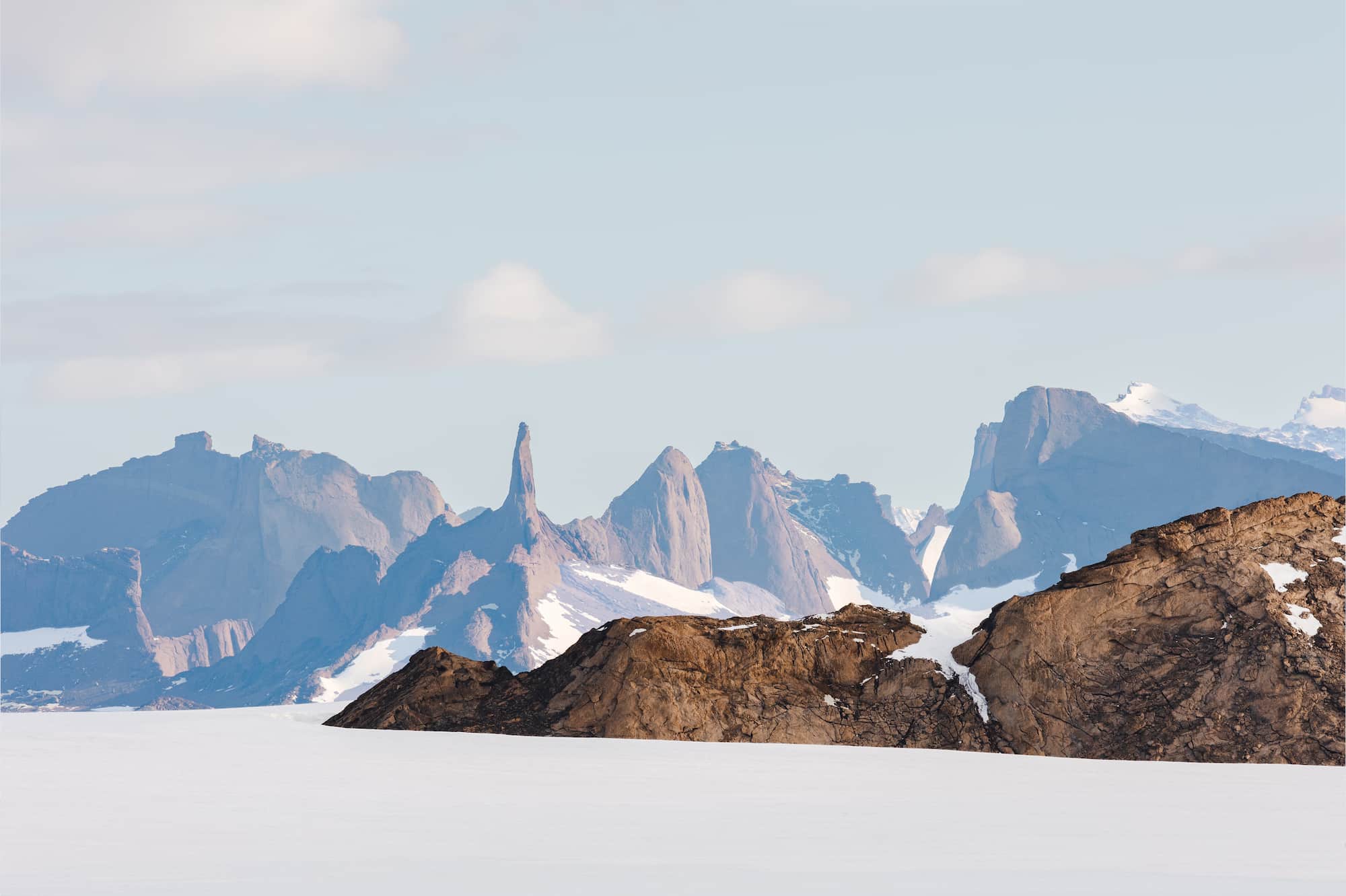
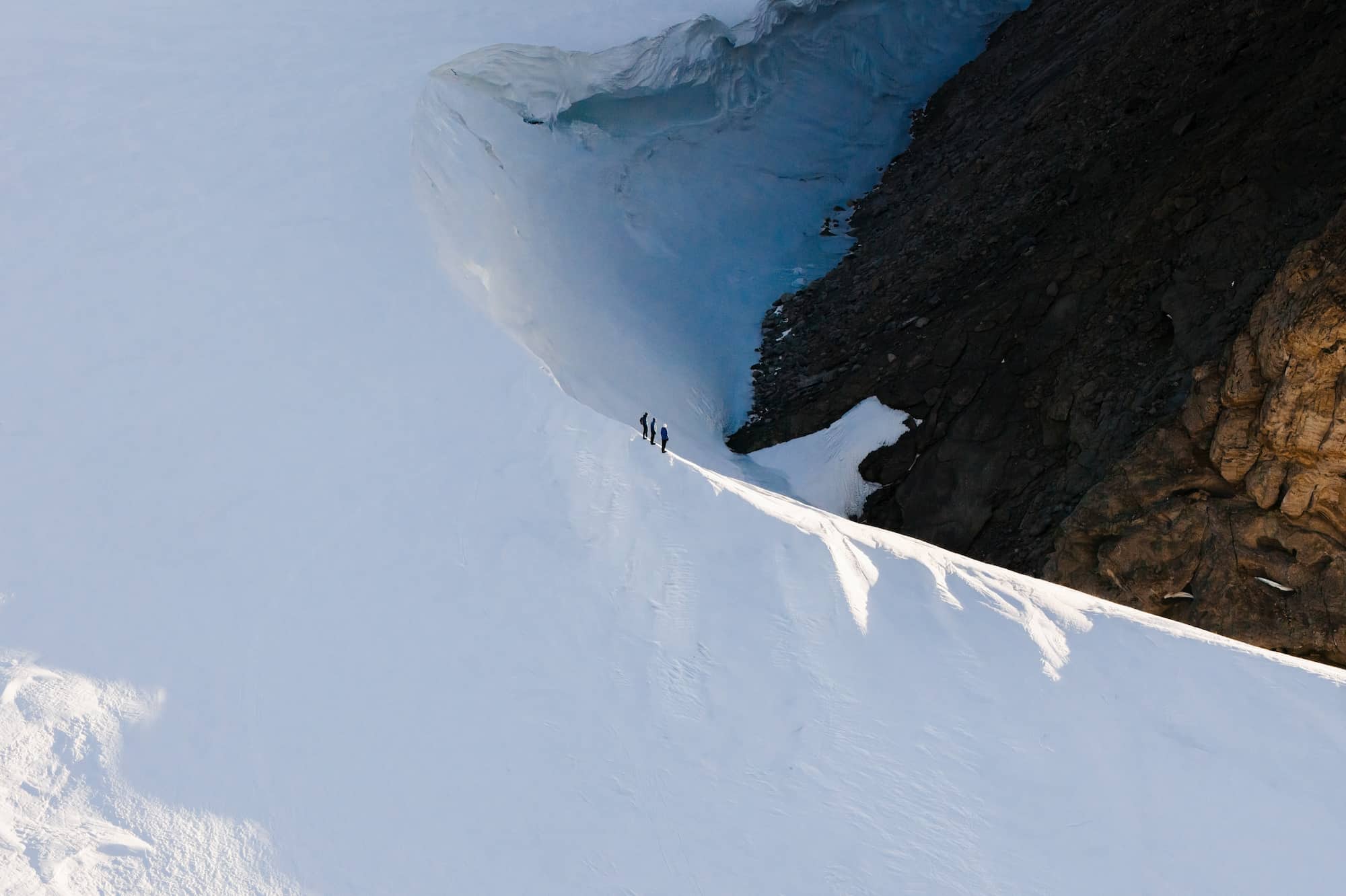
Rising from the East Antarctic Ice Sheet, the Drygalski Mountains of Queen Maud Land are among the continent’s most remote and visually striking ranges. Sharp granite peaks emerge through thousands of metres of ice, exposing rare outcrops of East Antarctica’s ancient bedrock. Many of these rocks are over a billion years old, formed through deep geological processes long before Antarctica reached its present polar position.
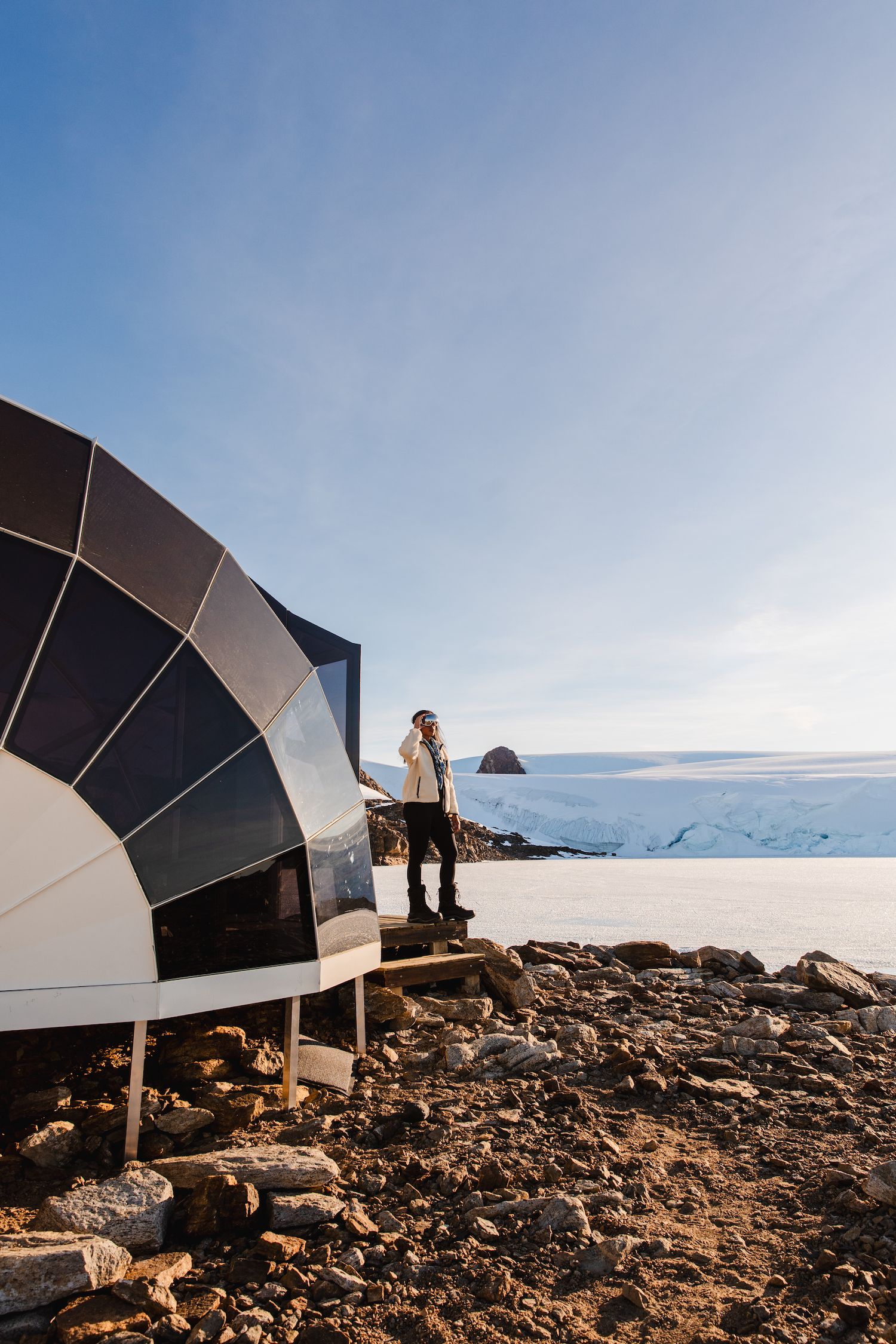
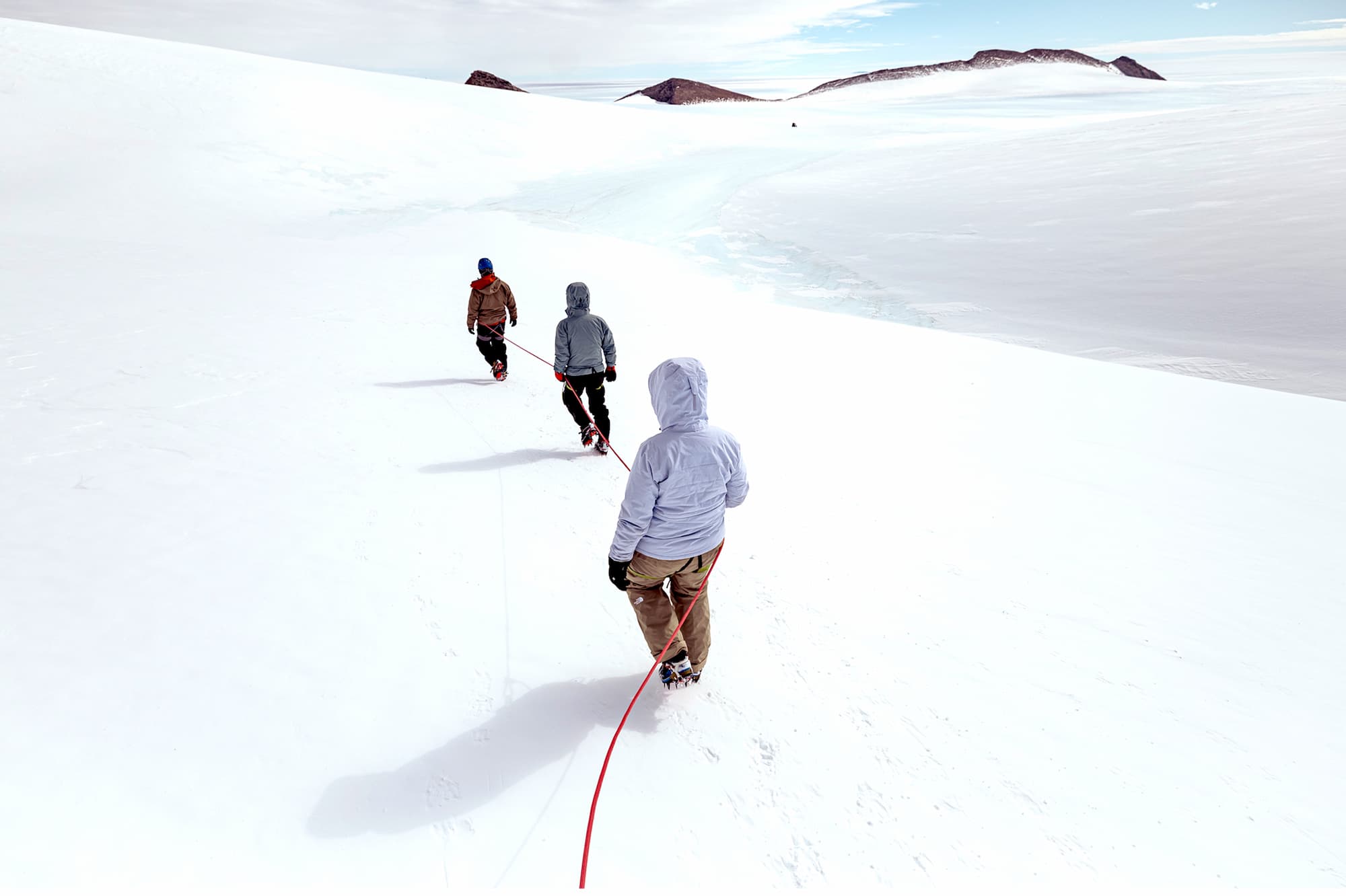
Wolf’s Fang, also known as Ulvetanna, stands sentinel above sweeping glaciers and extensive crevasse fields, shaped by the constant movement of the ice sheet below. Within this dramatic landscape sit Wolf’s Fang Runway and Echo Base: carefully positioned footholds that provide access to some of Antarctica’s most extraordinary terrain, while preserving the scale, stillness, and silence that define the region.
Gateway to the Interior
The area surrounding Wolf’s Fang forms the logistical centre of White Desert’s Antarctic operations and is home to one of the continent’s very few private blue-ice runways. Blue-ice areas develop where strong katabatic winds, sublimation, and minimal snowfall strip away surface snow, gradually exposing dense, centuries-old glacial ice. These exposed ice surfaces are of scientific interest, as they often contain climatic records preserved within compressed air bubbles trapped deep in the ice.
Sitting directly on this naturally occurring blue ice, the runway measures three kilometres in length and is one of the few runways on the Continent that is capable of accommodating intercontinental aircraft — an essential gateway to some of Antarctica’s most remote regions. Wolf’s Fang Runway is operational during the Antarctic summer, from November to February, when conditions allow safe access to the interior.
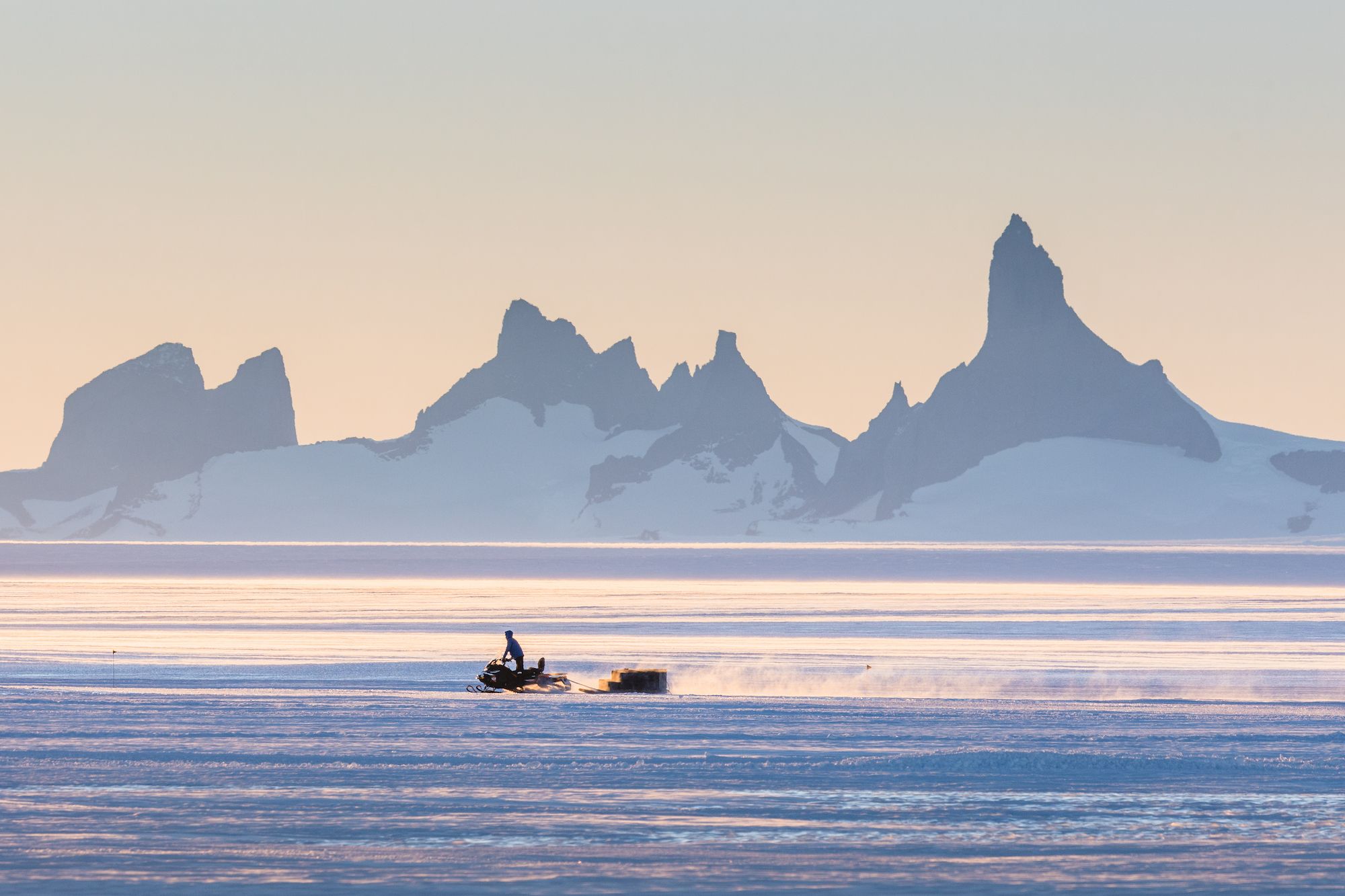
Nunataks, glaciers and wind-carved ridges form a striking mountain front that stands in clear contrast to the vast white plateau beyond.
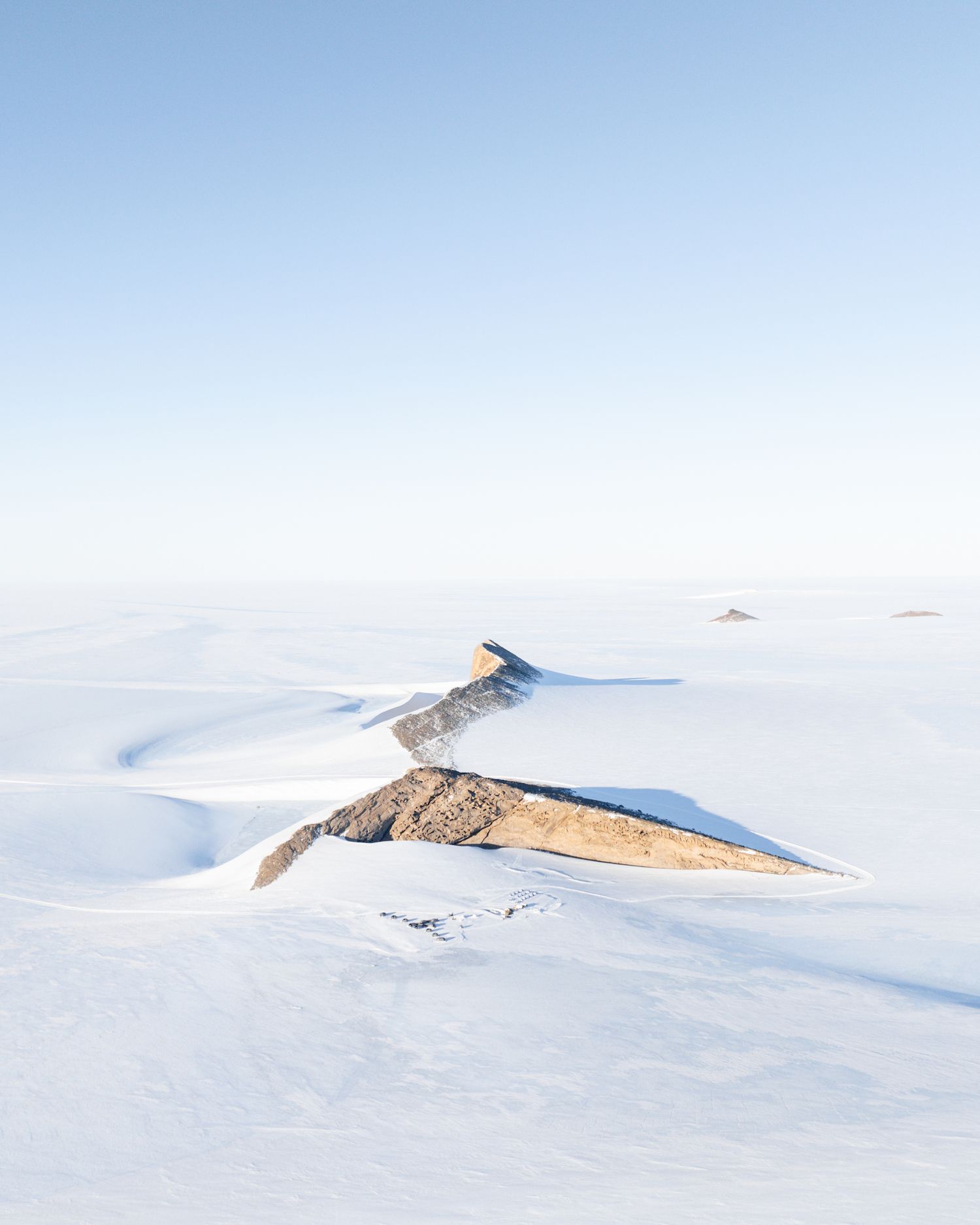
Echo Camp sits quietly within the vast landscapes of Queen Maud Land in an area defined by katabatic wind corridors, glacier confluence zones and isolated nunatak ecosystems. Here microbial life persists on snow algae, mineral crusts and frost-shattered rock.
Although no research stations operate in the immediate vicinity, Queen Maud Land is a priority area for studies in glaciology, meteorology and mountain geomorphology due to its unusual concentration of exposed peaks rising directly from the high-polar plateau.
All flight paths and field operations are carefully planned to avoid protected areas such as Svarthamaren ASPA, home to one of the world’s largest inland bird colonies, and the Gruber Mountains Important Bird Area, ensuring this dramatic and fragile landscape remains undisturbed.
More
About Us

Our Story
Foundation

Sustainability